
Drive from Denver to Aspen over Independence Pass to the Maroon Bells
Driving through Colorado’s Rocky Mountain peaks in the fall is quite a sight to behold. The quaking aspen trees, glittering alpine lakes, and heart-pounding passes over sheer mountain drop-offs make a case for an epic road trip, becoming even more glorious in the autumn season.
Page Contents
TogglePlan a weekend road trip through Colorado’s national forests and mountains, stopping at famous destinations like Maroon Bells and Hanging Lake. Spend a few hours in Aspen after driving over the Continental Divide and one of the most beautiful mountain passes in the state. Read on below for details and tips on having an amazing fall drive to the Maroon Bells and all the best sights along the way!

Where are the Maroon Bells located?
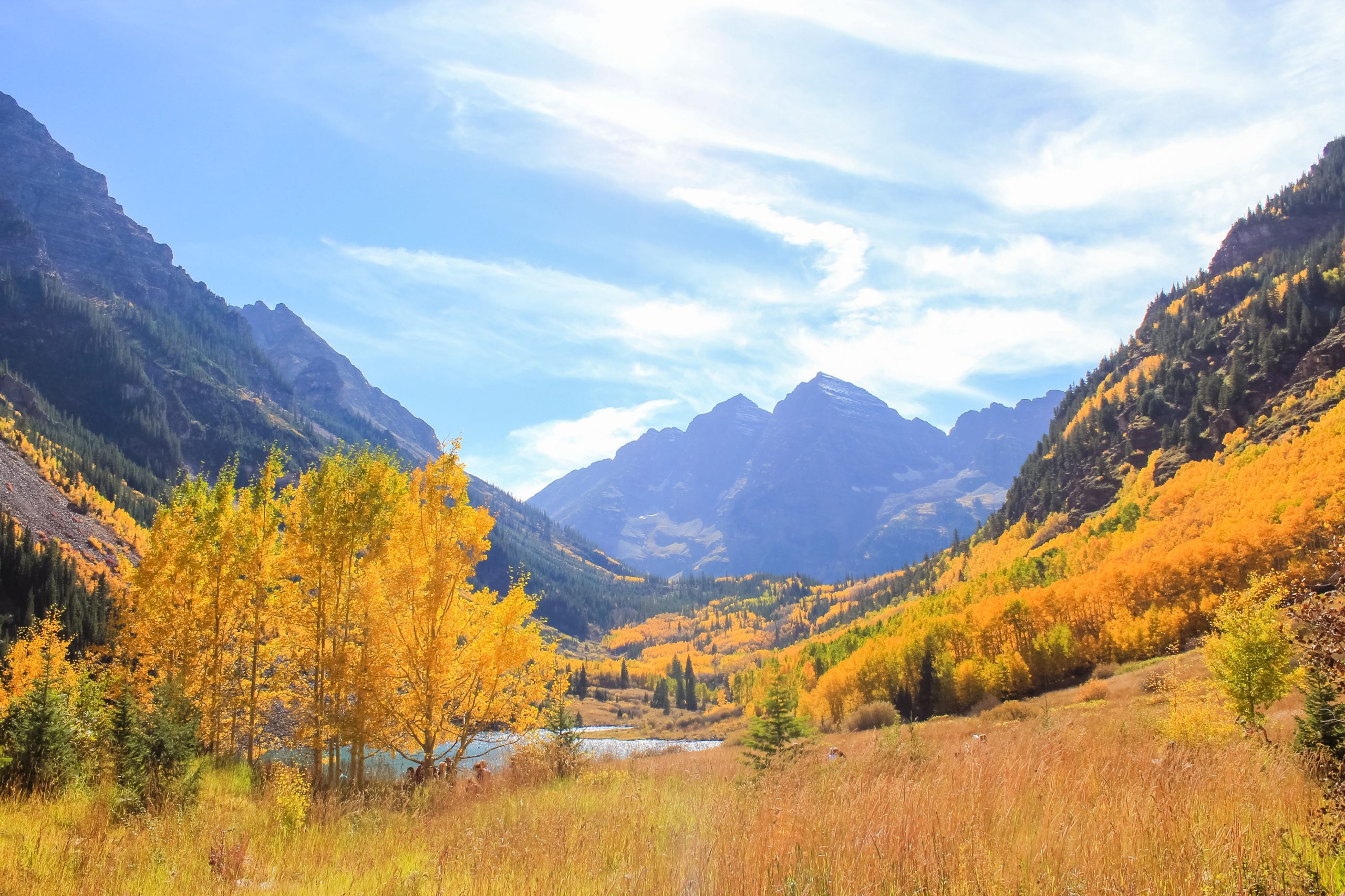
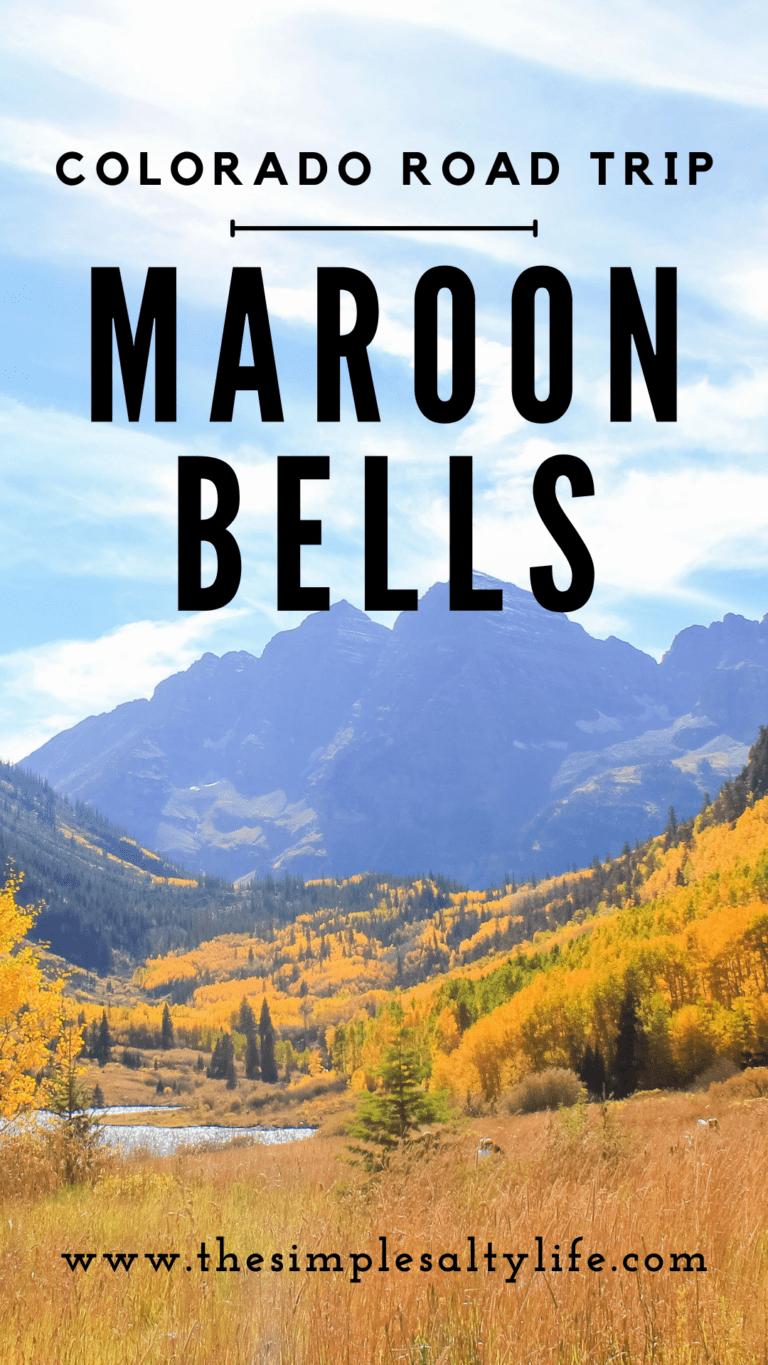
The Maroon Bells are two twin peaks each rising over 14,000 feet high in the Elk Mountains, a section of the Rocky Mountain Range in the western part of Colorado. The closest city is Aspen, which is about 12 miles away. The bells are a popular tourist destination for photographers and hikers, with about 300,000 people visiting every season.
Fun fact: The mountains are a red or “maroon” color due to the iron in the rocks that make up the peaks. And from afar they both have a church bell-shape, which is where the name came from.
Where to Begin a Weekend Road Trip to the Maroon Bells
While Aspen does have a small airport, this guide begins and ends in the Denver area. Driving from Denver allows you to see the beauty of fall in Colorado, including high mountain passes, alpine lakes, and mountain peaks rising over 14,000 feet (or “14’ers”).
The Denver International Airport is a little less than a 4 hour drive to Aspen when traveling the scenic route, but can take longer depending on how many times you stop to take pictures of the gorgeous landscapes surrounding you on the drive. Take your time along this route, you will not be disappointed.

When is the best time to visit the Maroon Bells?
While the Maroon Bells are open year-round for visitors, the main entrance Maroon Creek Road is closed to vehicles from late fall to late spring. Visitors during this time will have to cross-country ski, snow bike, snowshoe, hike in, or take a snowmobile for access, which is 12.4 miles round trip.
The summer months are spectacular for hiking and touring the bells but can get pretty crowded. The absolute best time to plan a trip to this area is late summer to early fall, when the aspens are changing colors and the air begins to turn crisp. September brings highs in the low 50’s with abundant sunshine and bluebird skies, the perfect backdrop to view these twin beauties.
How many days do you need for a road trip to the Maroon Bells and Hanging Lake?
This trip can be done in one regular weekend, if you start early from Denver and plan a short stop in Aspen for lunch and a few hours at the bells. A longer weekend gives you time to take a more leisurely pace getting from Denver to Aspen, and more time exploring the town. You can then plan one full day at Maroon Bells and do some of the longer hikes.
We planned a weekend (one night in Aspen) for this trip and even hiked Hanging Lake the next day before returning to Denver. Although these were two long days in the car we did not feel rushed or that we missed out on anything.
Colorado Road Trip Itinerary, Day One: Drive from Denver to Aspen via Independence Pass
If you only have one weekend to do this road trip, we recommend getting an early start out of Denver to avoid traffic and to make the most of your day. Pack a cooler with drinks and snacks to minimize stops and maximize your time.
Between late spring and early fall, the most scenic route to Aspen is via Highway 82 over Independence Pass. Take I-70 from Denver to Highway 91 south, arriving in Leadville around the two hour mark. From here follow signs to Highway 82 and the pass.
Tip: If you are renting a car in winter, Colorado has strict winter driving traction laws that go into effect when it snows on the highway. Be sure to rent a vehicle that has snow tires to avoid an accident, as well as a fine. Independence Pass is not open in the winter, which is one more reason try to plan this drive for weekends late July to early September.
Independence Pass and the Continental Divide
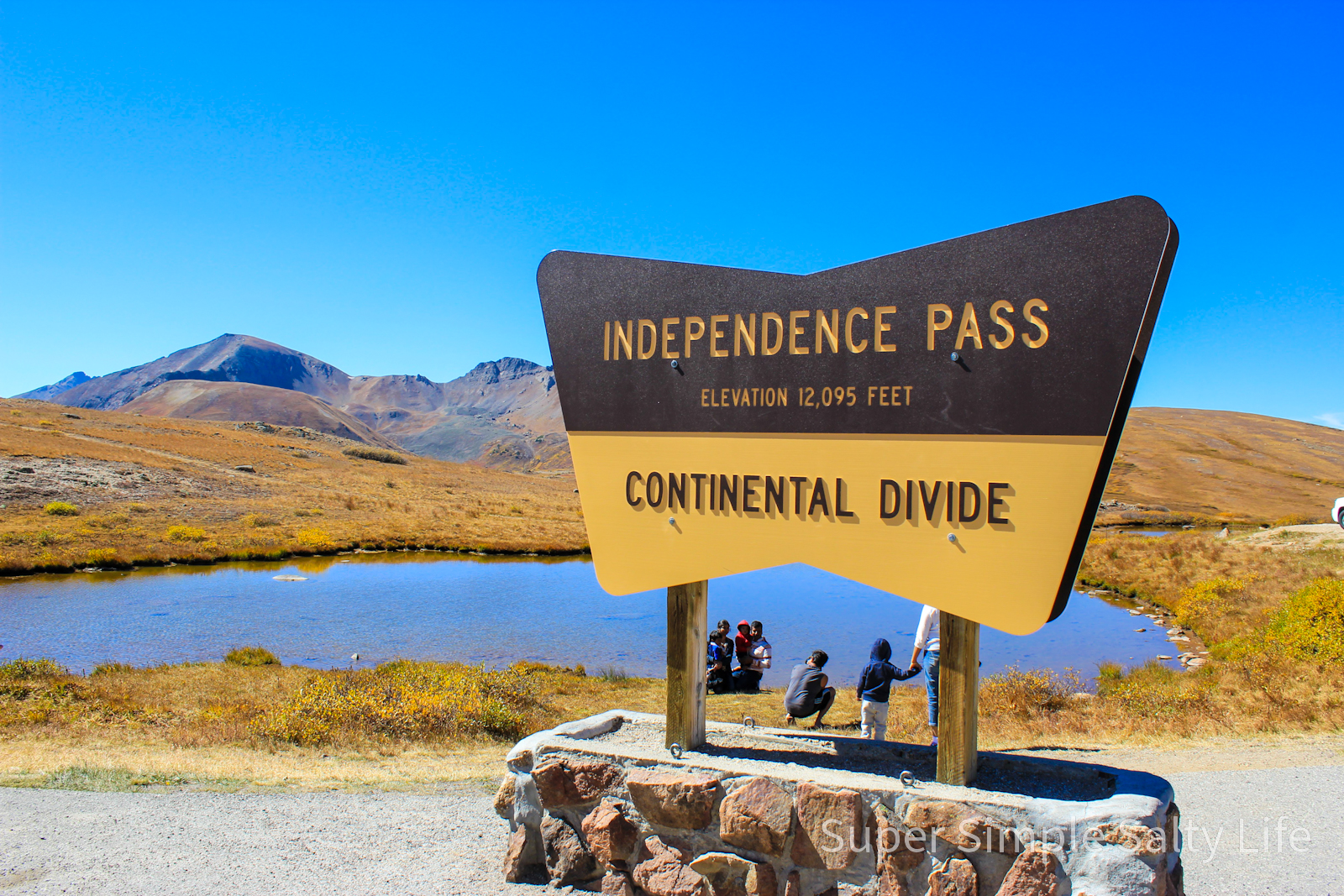
Independence Pass is the highest paved mountain pass in Colorado, passing right over the Continental Divide. The pass is typically open between Memorial Day and Labor Day. The drive has hairpin turns so you will need to pay close attention and go slow. Epic views from the parking area at the top of the pass make it well worth the trip!
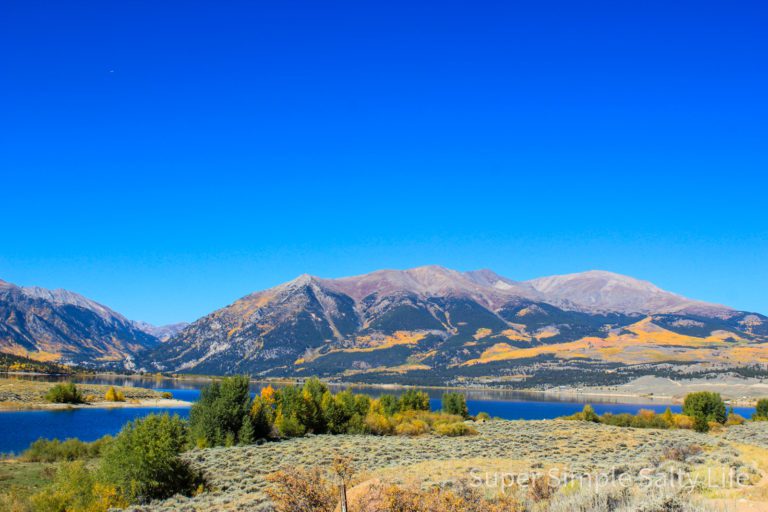
Independence pass follows along several rivers and climbs to a daunting 12,095 feet at the top, well above the tree line and into high alpine terrain. Along the way you will pass Twin Lakes, a pair of glacier-carved alpine lakes that make a great stop for a photo opportunity.

A little town called Aspen
The cute town of Aspen needs no introduction. In the winter the skiing opportunities are some of the finest in the state of Colorado, and the summer offers hiking trails, gondola rides, fly fishing and paddleboarding on the Roaring Fork River. Downtown Aspen is a shopper’s paradise, with upscale shops, fine dining, and boutique hotels.
If you only have a few hours to explore Aspen, stick to the downtown area. We found a deli and enjoyed fresh sandwiches in Wagner Park right downtown, after having a cold drink at Aspen Brewing Company. This was a great place to walk around and stretch our legs after the drive.

Where to Stay in Aspen
Aspen hotels downtown are definitely on the pricier end. We opted to stay outside of the town to make the trip more affordable. Some hotel ideas for all price ranges:
- Budget Hotel: The Tyrolean Lodge is a small family-owned lodge in Aspen, claiming to be “Aspen’s most affordable quality lodging”
- Mid-range: The Limelight Hotel is a 5 minute walk from the Aspen ski lifts and offers suites, 2 hot tubs, and a rooftop terrace
- Luxury Hotel: The Little Nell is a stylish resort on Aspen Mountain at the base of the gondola
Day Two: Take the Shuttle to the Maroon Bells
We arrived in Aspen with enough time to catch one of the afternoon shuttle buses to the Maroon Bells. Reservations are required to access the Maroon Bells Scenic Area and related amenities either by vehicle via paid trailhead parking reservations or by shuttle from May to the end of October, when the entry road shuts down for the season. There is very limited parking at the Maroon Bells so the reservation system helps to decrease vehicular traffic as well as help preserve the wildlife and wilderness areas.
The shuttle bus was a very efficient way to get to the scenic area without the hassle of parking. The shuttles run every 20 minutes starting at 8AM, and the last return shuttle departs Maroon Lake at 5PM. The shuttle drivers offer a wealth of information on your short trip to and from the parking area at Aspen Highlands to the bells.
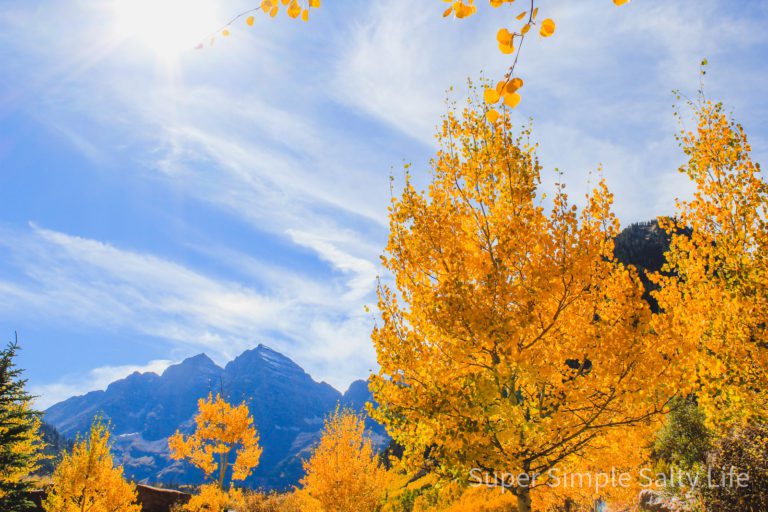
If you only have one day to drive from Denver to Aspen and see the Maroon Bells, after having lunch head straight to the shuttle bus area. The last bus leaves Aspen Highlands at 3PM, giving you about an hour and a half to spend at the bells. This is just enough time to take some pictures and do one of the shorter hikes around Maroon Lake.
If you have an entire day devoted to seeing the bells and the surrounding scenic area, sunrise offers the best views and photo opportunities hands down. Also the area is less crowded so you can get that perfect shot of the mountains reflected in Maroon Lake.
Hiking at the Maroon Bells
Maroon Lake lies below the towering 14,000-foot Maroon peaks, and there is a 1.7-mile easy nature loop that goes around the lake. Another popular hike is the 1.8-mile hike (3.6 miles roundtrip) to Crater Lake. The Day Hikes Near Denver site has a great breakdown of the hikes in this area, and they are our go-to hiking guide when we are in Colorado.

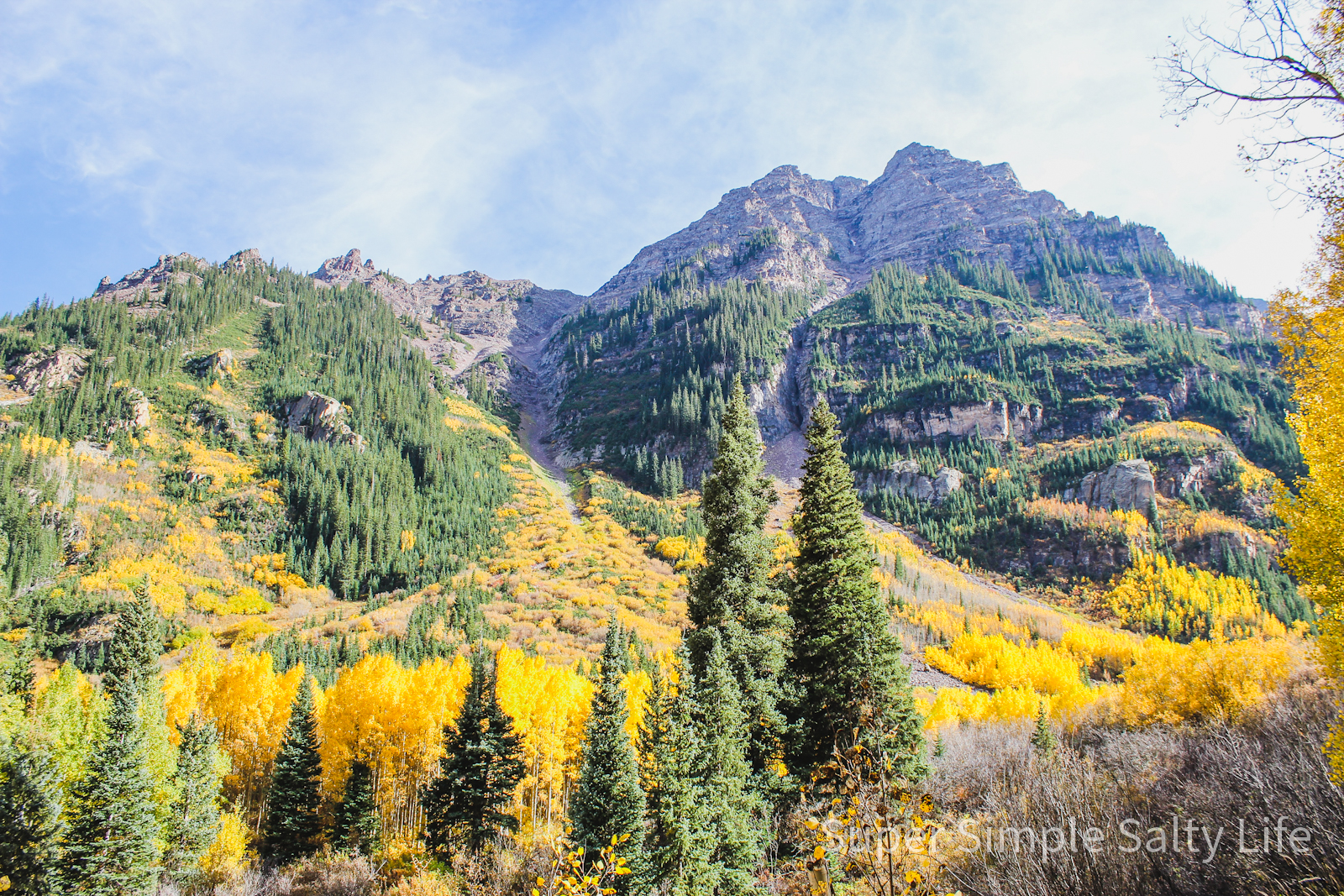
Remember this is a wilderness area, so pack in and pack out- leave no trace! Watch for wildlife and stay on marked trails, which may be present even on the busier hikes. Moose, elk, and bears frequent this area so stay alert.

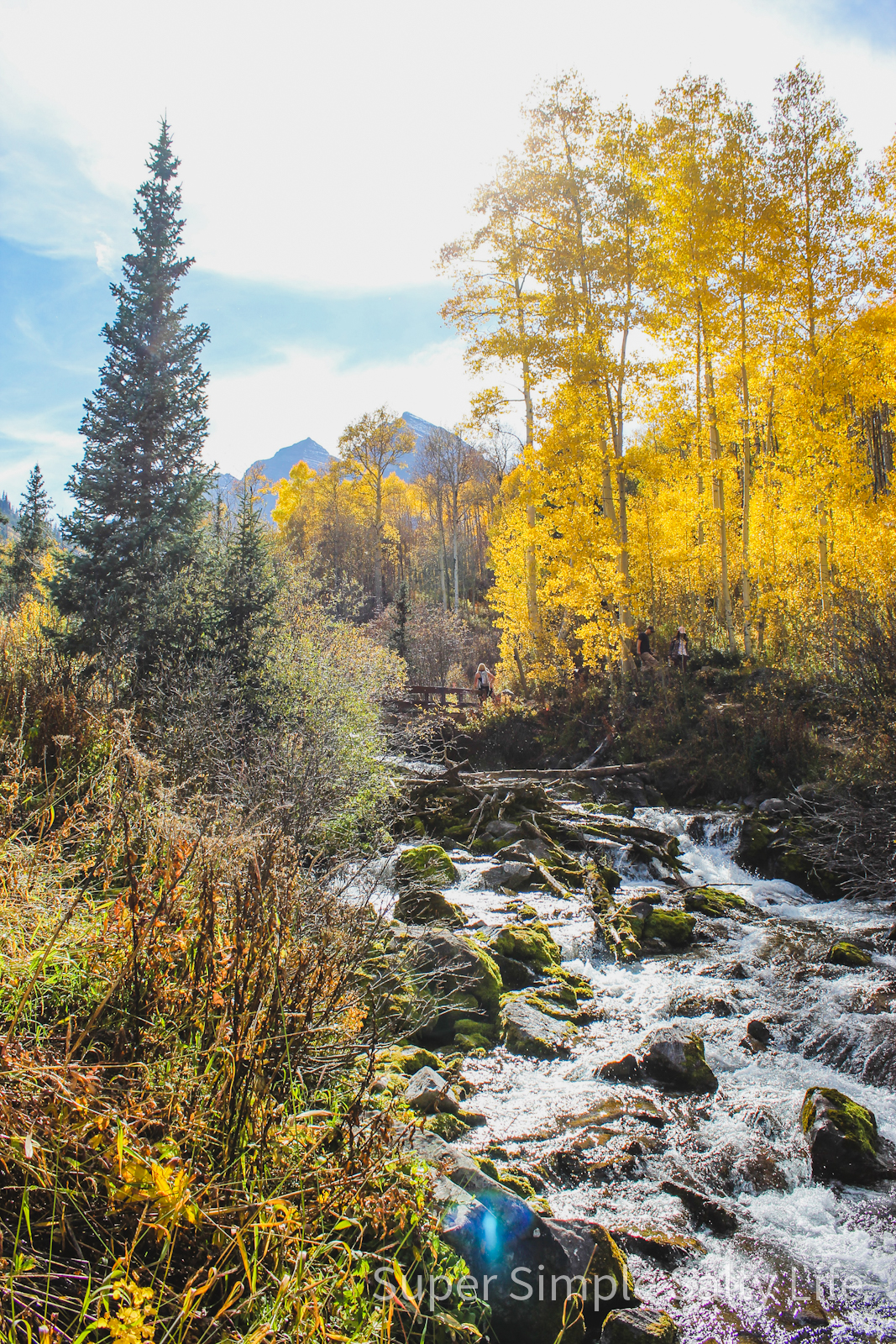
I’m sure the Maroon Bells are spectacular year-round, and I would love to see this area with a blanket of fresh snow. But the aspen trees truly take your breath away in the autumn and I’m so glad we planned this quick trip during the middle of September. This was easily one of our top weekend road trips of all time.
If you have more than a weekend to spend in Aspen
Besides being able to spend an entire day in the Maroon Bells Scenic Area, there are so many things to do with an entire weekend in Aspen. When the weather is nice (AKA not in winter) take a guided walking tour, plan a picnic on one of the many scenic trails just outside of town, or plan an evening at an upscale restaurant. Find more options and info on tours below.
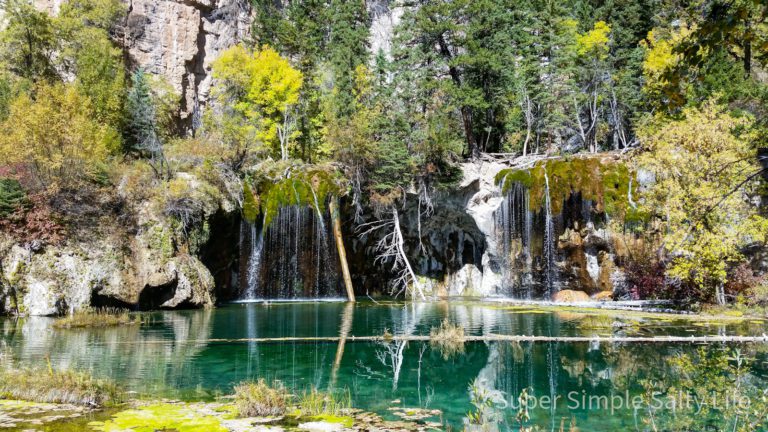
Rather than going back home the way we came, we drove north through Glenwood Springs and hiked to Hanging Lake on our trip back towards Denver. This was a strenuous hike due to all of the stairs, climbing 1.2 miles through a canyon to a dramatic lake “hanging” off the side of a mountain. See all the details of this hike with tips for squeezing it in on your weekend Colorado road trip! (post coming soon)
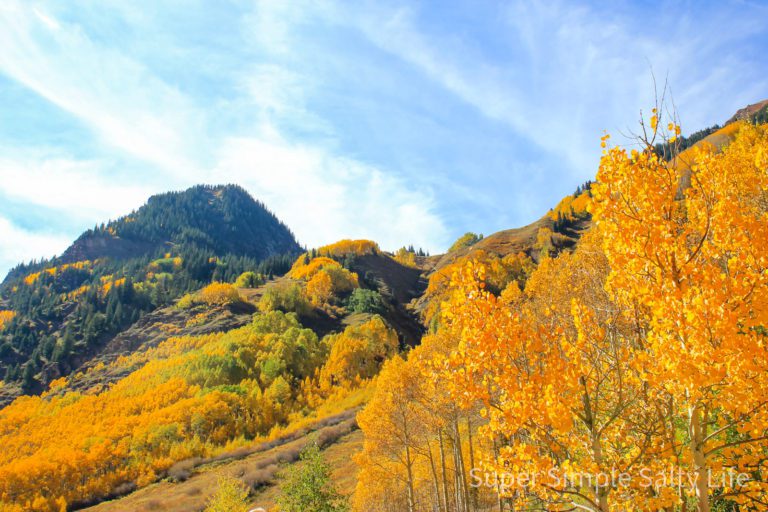
For a quick road trip this one really packs a punch, with beautiful alpine landscapes at every stop. Making the drive in early September almost guarantees you will see the abundance of golds, oranges, yellows and reds from the aspen trees that give Aspen its name.
Other epic road trip itineraries:
Happy Travels!

Colorado mountains look lovely. Hope you enjoyed the experience.
Great blog post! I have not been to Colorado yet, but it is in my bucket list. Your images have captured the best of fall colors! The hikes look very interesting. I would love to visit Maroon bells, and hanging lake some day. 🙂
Wow, it’s gorgeous! I love all the yellow leafs!
Wow this is a beautiful area of Colorado I had never heard of! Thanks for sharing about the Maroon Bells, and for sharing your stunning photos!
Hi!
What week(s) do you recommend for seeing Maroon Bells at peak foliage like in the pictures above?
Thank you!
Late September is usually the perfect time, getting into mid-October I think you would miss it. 🙂