Navigating the Brough of Birsay Tide Times

Navigating the Brough of Birsay Tide Times

A Guide to the Brough of Birsay Tides

The Brough of Birsay, nestled along the rugged coastline of Orkney, Scotland, boasts a rich tapestry of history and natural beauty. Its crowning jewel is the ancient Norse village, where visitors can explore the remains of a Viking settlement, including a well-preserved Norse church.

The dramatic cliffs offer breathtaking views of the surrounding seascape while the tidal causeway, which reveals itself only at low tide, adds an element of adventure to the experience. Read our tips for planning a visit and navigating the Brough of Birsay tide times to explore one of Scotland’s many hidden yet majestic gems!

Brough of Birsay tide times

What you Need to Know about Visiting the Brough of Birsay

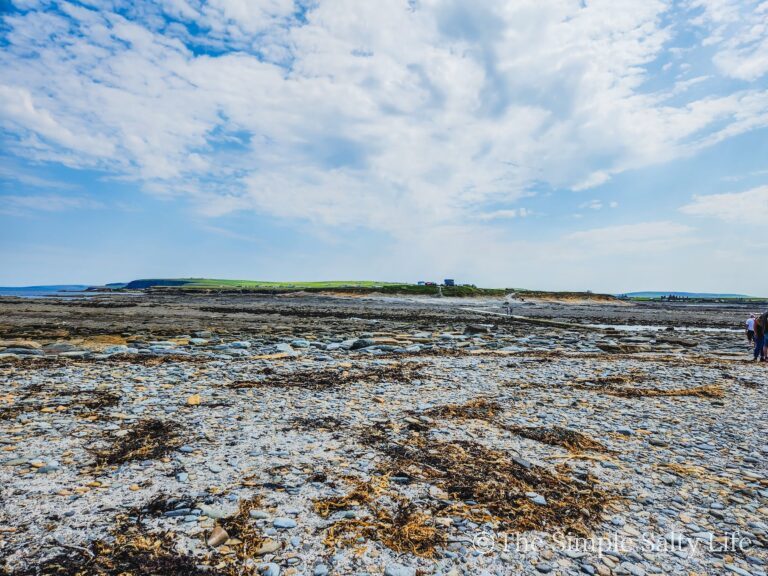
Accessing the Brough of Birsay can be challenging due to its remote location and the tidal nature of its causeway. The brough is situated on a small tidal island off the coast of Scotland’s Orkney Islands, which means it can only be reached by foot when the tide is low.

At high tide the causeway connecting the island to the mainland is completely submerged, making it inaccessible. Visitors must carefully time their visit to coincide with low tide and plan accordingly to avoid being stranded on the island when the tide returns. 

Brough of Birsay tide times

Check the Tide Times for Crossing the Brough of Birsay

The most important tip to visiting the Brough of Birsay is to check the tide times well in advance to ensure the causeway will be accessible during your trip. Since the path is only available during low tides, timing is crucial. Plan to arrive well in advance of low tide to explore the brough safely. 

Plan for Weather Conditions

The weather on the Orkney Islands can be unpredictable, especially near the water along the coastline. Dressing appropriately for the conditions and bringing layers to stay warm and dry is important. It’s also a good idea to pack rain jackets and waterproof shoes in case of rain. 

Wear Appropriate Shoes and Clothing

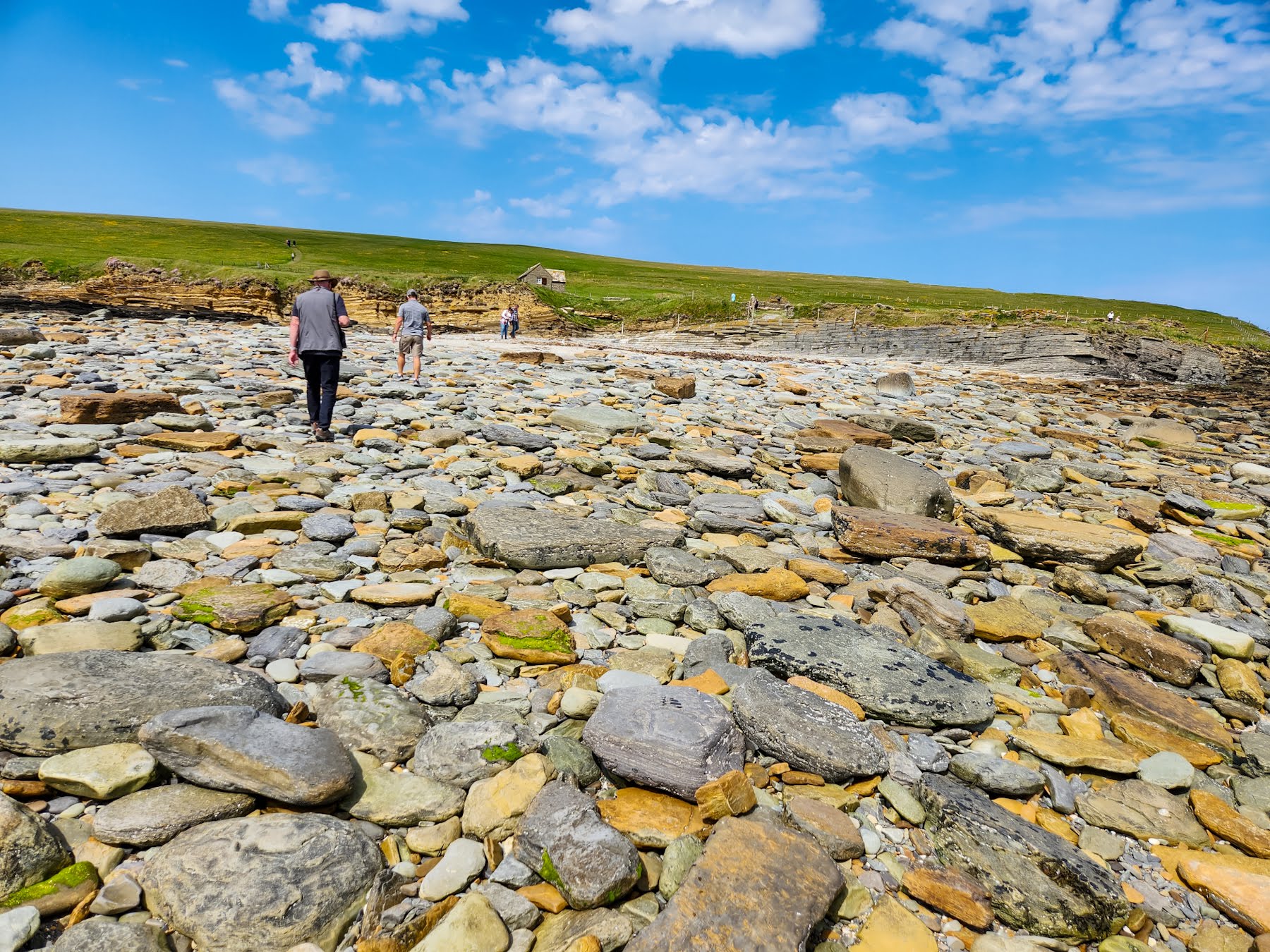
The terrain around the brough is rugged and uneven as it is a mixture of dirt, grass, and large rocks. Sturdy footwear suitable for walking on rocky surfaces. Waterproof and close-toed shoes are beneficial. 

Allow Ample Time to Visit

Give yourself plenty of time to explore the brough and soak in its beauty and history. Plan for a leisurely visit to fully appreciate all that this unique landmark has to offer, including the panoramic landscape and abundant wildlife native to this region. In the rare event that you find yourself stranded on the brough during high tide, dial “999” on your cell phone for the coast guard.

Reasons to Visit the Brough of Birsay

The name “Brough of Birsay” derives from Old Norse origins with the word “Brough” meaning a fortified place or stronghold, which reflects the historical significance of the site as a defensive settlement. Broughs are significant archaeological sites and offer insights into the lives and culture of the people who lived in ancient Scotland. 

Brough of Birsay tide times

Abundance of Wildlife

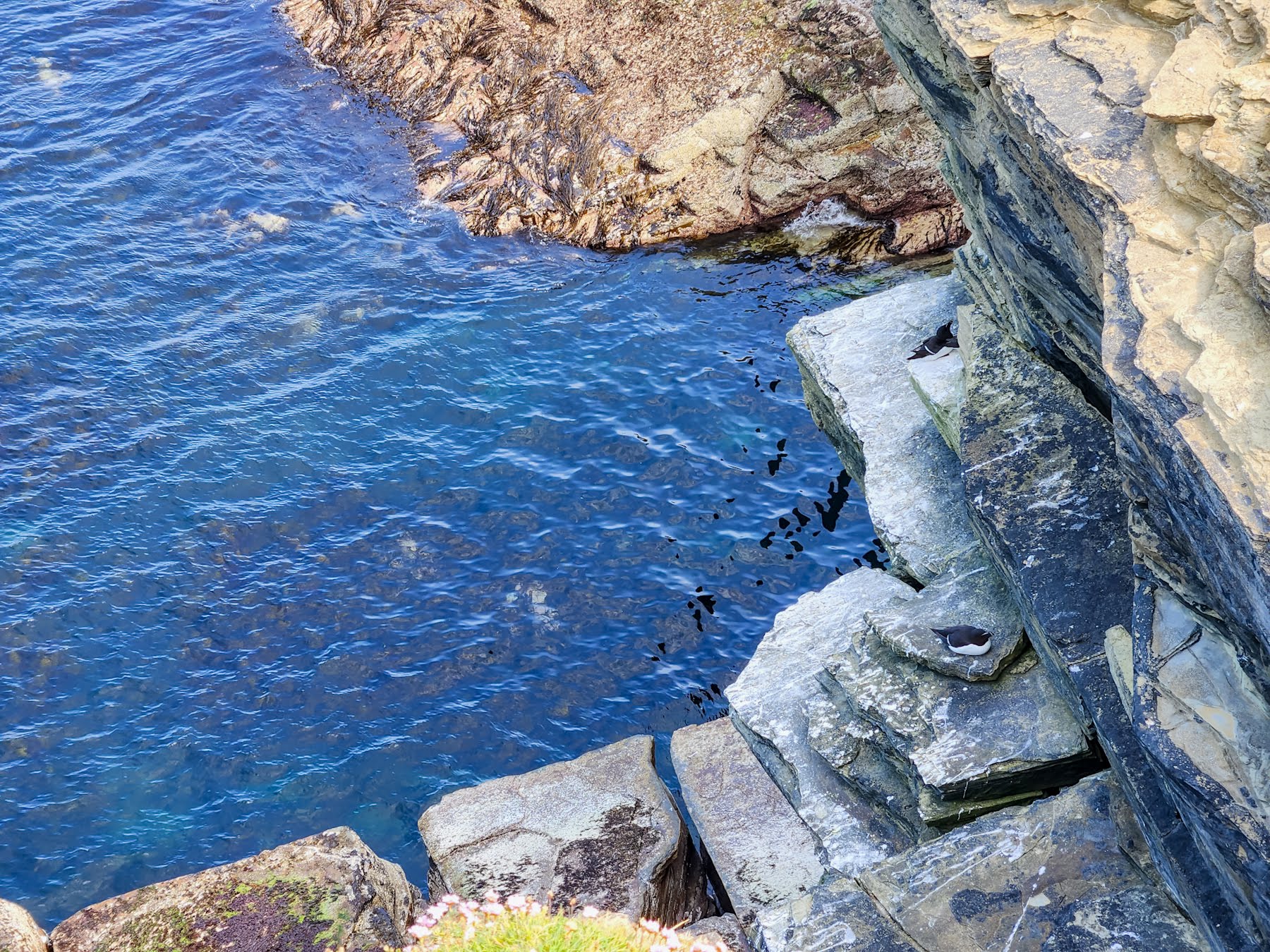
The abundance of seabirds and marine life makes it a paradise for wildlife enthusiasts and photographers alike. The cliffs and coastal areas around the Brough of Birsay provide important nesting sites for birds not commonly seen including puffins, guillemots, and razorbills.

These birds are typically present during the breeding season which peaks in late spring and early summer. We were thrilled to spot puffins nesting on the rocky outcroppings when we visited in June!

Seals can often be spotted around the shores of the brough. They are known to haul out on rocks and sandy areas during low tide. Watching seals basking on the rocks or swimming in the sea can be a memorable experience!

Historical Significance

The brough is home to the remains of an ancient Norse settlement, offering a fascinating glimpse into Orkney’s Viking heritage. Visitors can explore the ruins of a Norse church and other structures, providing insight into the lives of its past inhabitants.

The settlement dates back to the medieval period, offering a glimpse into Orkney’s rich Viking heritage. Excavations have uncovered artifacts and evidence of daily life, showcasing the activities of its past inhabitants. Strategically located overlooking the sea, the settlement likely served defensive purposes as well. 

Stunning Landscapes

Situated on the rugged coastline of Orkney, the brough boasts jaw-dropping views of the surrounding seascape and dramatic cliffs. It’s a paradise for nature lovers and photographers, with abundant seabirds and marine life adding to the picturesque scenery.

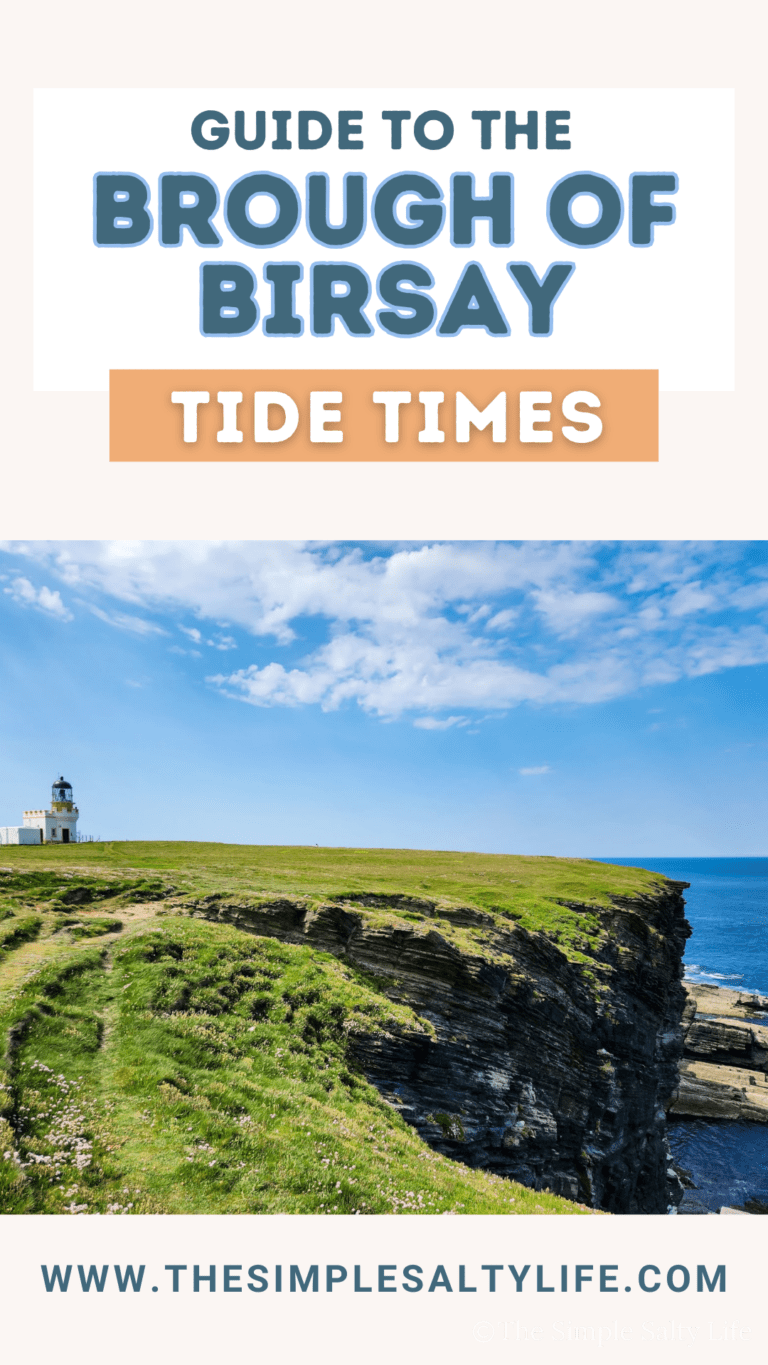
The Brough of Birsay Lighthouse was built in 1925. While the lighthouse itself may not be accessible, the surrounding area offers stunning coastal views and opportunities for coastal walks. As the island is uninhabited, the lighthouse is an automated beacon of light standing 170 feet/ 50 meters above sea level.

Aiding maritime navigation with its white flash every 5 seconds, the light is visible for up to 18 nautical miles and contributes to safe navigation around Orkney’s rocky coastline and offers scenic views of the North Sea. 

Brough of Birsay tide times

The Brough of Birsay is a must-see destination when visiting the Orkney Islands due to its rich historical significance, stunning coastal views, and wildlife sightings. Exploring the Brough of Birsay provides a unique opportunity to experience Orkney’s rugged beauty and connect with its fascinating past.

More guides to visiting Scotland:

Happy Travels!

Leave a Reply

Your email address will not be published. Required fields are marked *