

Experience the Best of Scotland with these Driving Tips
Explore Scotland’s stunning landscapes and historic sites with confidence. Learn about driving tips, road rules, and the benefits of renting a car for your Scottish adventure. Whether you’re navigating scenic routes or discovering hidden gems, driving in Scotland promises an unforgettable journey.
Page Contents
Toggle
12 Travel Tips for Americans Driving in Scotland
1. Yes, You Can Drive in Scotland with a U.S. Drivers License
Regardless of your country of origin, whether it’s the United States, Australia, or any other nation, driving in Scotland and the rest of the UK is accessible to visitors with a valid and up-to-date driver’s license. This means that as long as your license is current and meets the necessary requirements, you can confidently navigate the roads and explore the diverse landscapes and attractions that Scotland has to offer.
Also it is important to note that in Scotland you have to be 17 years old to drive a car or motorcycle.
2. On Your Left
In Scotland, as in the rest of the UK, vehicles drive on the left side of the road. Adapting to driving on the left side of the road is one of the most important aspects to keep in mind when driving in Scotland.
For visitors accustomed to driving on the right-hand side, this adjustment can initially feel unfamiliar and takes some getting used to. It’s advisable to take your time to adjust, staying vigilant and mindful of road markings, signage, and the flow of traffic.
Fun fact: We were given a wristband by the rental car company to wear on our left wrist, to remind us to stay on our left!

3. Renting a Car in Scotland
Renting a car in Scotland offers the freedom to explore at your own pace, access remote areas, and embark on scenic drives. It’s convenient for traveling between cities and attractions, provides comfort and privacy, and is the best way to see more of Scotland on a budget. With a rental car, you can discover charming villages, rural landscapes, and hidden gems, making for an unforgettable Scottish adventure.

You’ll have a few choices when picking a rental car. Most importantly, if you are not confident driving a manual you should get an automatic. Not only are you driving on the left, but the driver is on the right side of the car so you will be shifting with your left hand… it’s a lot to think about.
Also, try to choose the smallest car you can comfortably fit in with your passengers and luggage. As you’ll see later, the roads can be extremely narrow and the parking spaces are much smaller than in the U.S.

Referring to the photo above, many hours were spent in this small space for the four of us on our road trip through Scotland. The trunks are smaller than what we are used to in the U.S. and some of our luggage (even though we packed light) had to stay on the back seat or even on our laps.
Travel tip: Make sure you have adequate insurance coverage for driving in Scotland. If you’re renting a car, the rental company will typically offer insurance options, but you may also have coverage through your credit card or personal auto insurance policy. Check with your insurance provider to confirm coverage details.
4. Signs & Speed Limits
Pay attention to speed limit signs, as speed limits in Scotland are posted in miles per hour (mph). Generally on single carriageway roads, the default speed limit is around 60 mph unless otherwise specified. However, it’s crucial to remain attentive to any variations or specific limits indicated on road signs, especially in areas with hazards, sharp turns, or residential zones where speed limits may be lower.
Tip: The major interstates quite often have speed cameras so be sure to watch your speed!

If you are driving in Scotland for the first time, it is helpful to study the road signs ahead of time. Most are self-explanatory but some were unfamiliar to us. English Grammar Here has a fantastic explanation of the most common signs you may encounter while driving in Scotland.

5. Narrow Roads
In many parts of Scotland, especially in rural areas, narrow and winding roads are characteristic features of the landscape. While adding to the charm of the countryside, this requires extra caution from drivers.
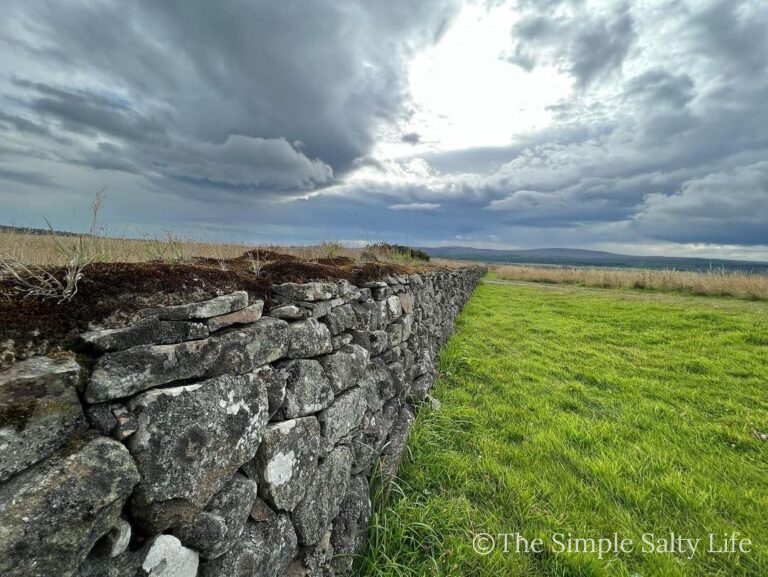
These roads often wind through breathtaking landscapes, occasionally bordered by stone walls or having nonexistent shoulder areas, creating a picturesque but sometimes challenging driving environment. Take extra caution, especially when passing other vehicles or navigating tight corners.
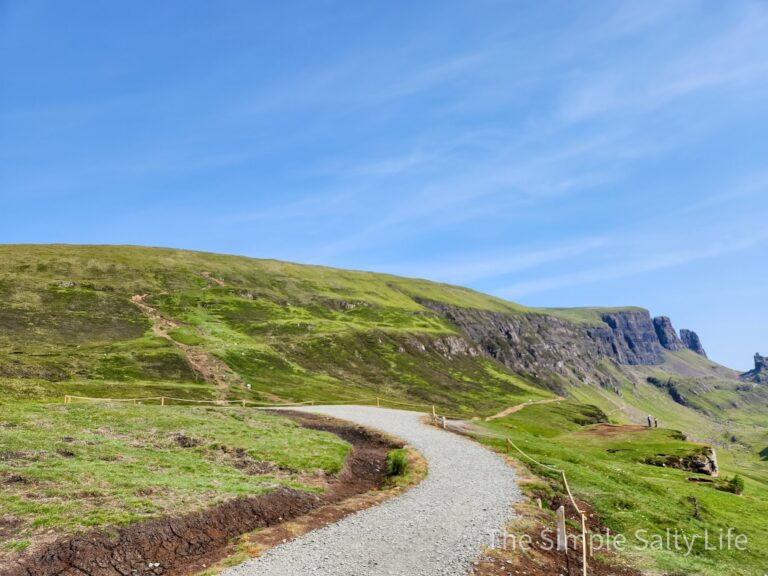
Tip: Most narrow roads are single lanes but offer intermittent pull-offs along both sides. The general rule of thumb is whichever car is closest to a pull-off area will do so and let the other car pass.
6. Know All About Roundabouts
Roundabouts are very extremely common in Scotland, and they operate differently from intersections in the U.S. Remember to give way to traffic already on the roundabout and indicate your exit with your turn signal.
While you are more likely to only encounter stoplights in larger cities, it is helpful to note that turning on a red light is forbidden in the United Kingdom. In the U.S. and Canada you can make a right on red, when driving in Scotland you may only make a “left on red” when there is a specific arrow designating that you may.
7. Watch for Wildlife
When driving through Scotland’s scenic countryside, it’s essential to remain vigilant and keep a keen eye out for wildlife. As you navigate winding roads and remote stretches, be prepared for unexpected encounters with wildlife crossing the road or grazing near the roadside. Red deer, otters, cows, and sheep of all sizes are extremely common to spot in both rural and developed areas of Scotland.

8. Taking a Car Ferry
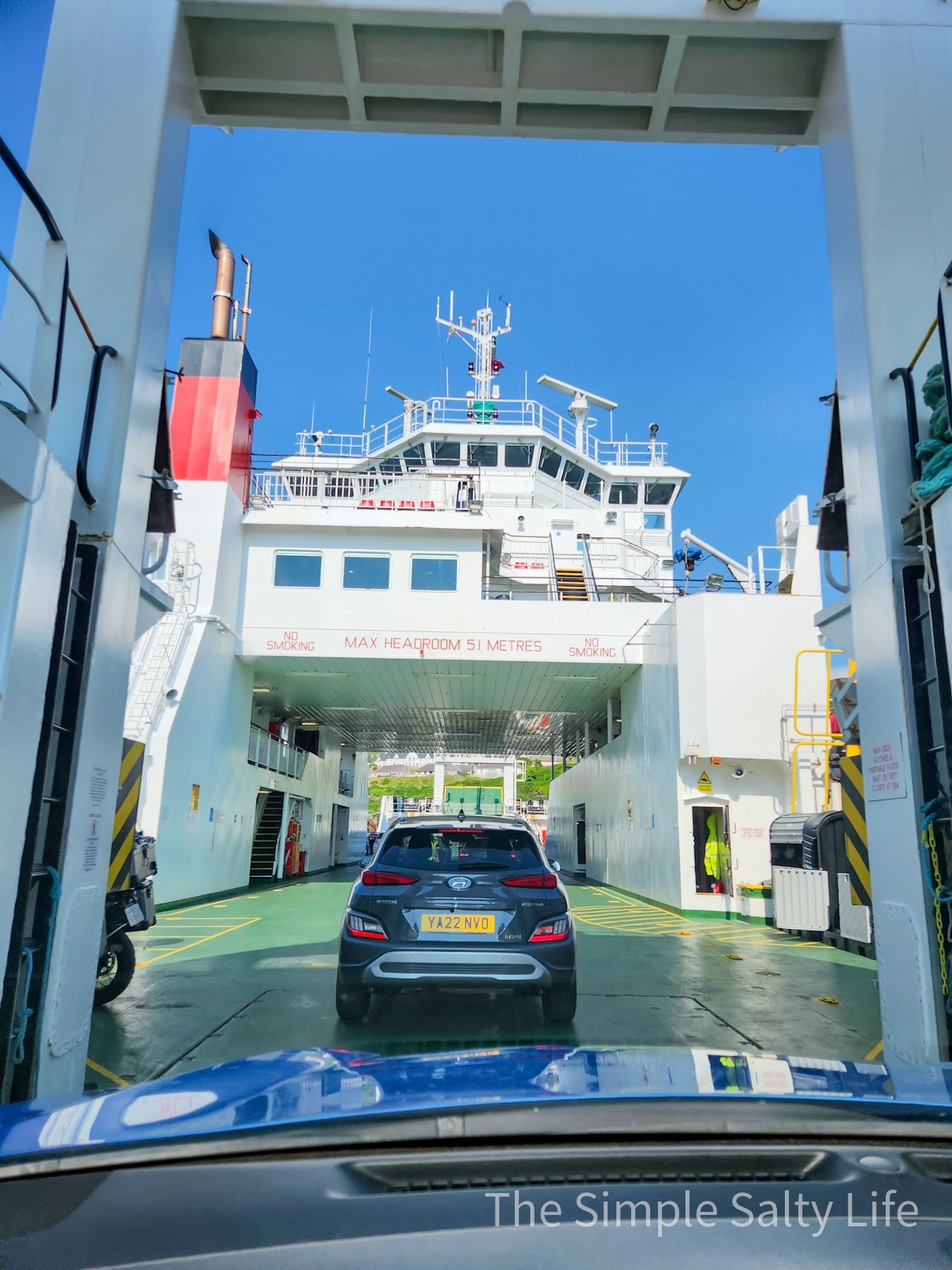
While there are many road options for driving across the mainland, getting to the outlying islands such as Isle of Skye and the Orkney Islands requires a car ferry. These ferries are efficiently-run at scheduled times and make traveling to these outer areas “smooth sailing”.
Travel tip: Arrive before your scheduled time because the ferries wait for no one, and there may be no other transport options if you miss the last one of the day!
9. Parking in Scotland
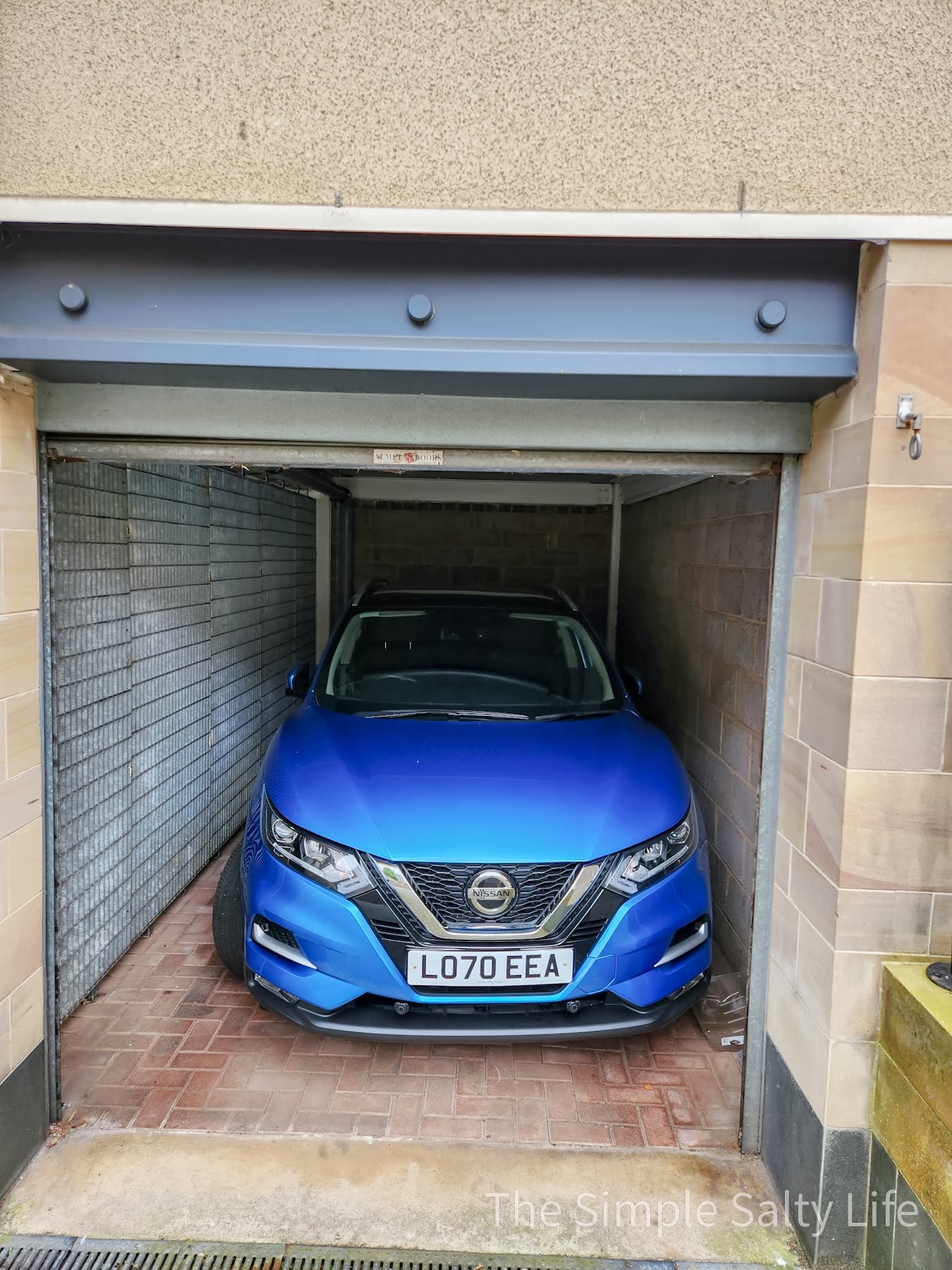
Remember when we recommended renting a small car? This is especially true when discussing parking in Scotland. The spaces are extremely small, both in street parking and in parking garages. In order to get our rental car into our allotted space we had to pull the mirrors in and all climb out one side!
Also it is worth noting that not all hotels or AirBnB’s offer parking, so check into this ahead of time if you are planning on renting a car. In larger cities like Edinburgh it is best to park outside of the city and take a bus around or walk. The city is quite walkable and the hop-on-hop-off bus tours are extremely helpful!
Travel tip: You can park on both sides of the road and in either direction.
Be ready to budget for parking fees, as they’re commonplace across Scotland. Whether in city centers or at rural hiking trailheads and scenic lookouts, you’ll encounter kiosks for paying and displaying parking tickets. Expect to pay between £2 and £5 for a few hours of parking. Fortunately these kiosks accept credit cards, ensuring a straightforward payment process.

10. Gassing Up
Gasoline is referred to as “petrol” in Scotland. Make sure to fill up your tank before embarking on longer journeys, especially in rural areas where gas stations may be fewer and farther between. Planning ahead and topping up your tank when passing by populated areas can help prevent any unexpected fuel shortages, allowing you to enjoy your travel without any issues.
Also remember in Scotland gasoline is sold in £/litre (pounds per liter) as opposed to dollars per gallon in the U.S. This can be confusing when the odometers read miles and you are trying to calculate the amount of liters needed and you are used to looking at miles per gallon.
11. Check the Weather
Scotland’s weather is renowned for its unpredictability, with rain, fog, and strong winds common, especially in certain regions and during certain seasons. Adjust your driving to accommodate for these conditions and be prepared for reduced visibility and slippery road surfaces. Before you leave on a road trip, keep a close eye on weather forecasts and road condition reports and consider postponing travel if severe weather is anticipated.
12. GPS
In Scotland’s remote and rural areas, where the landscape can be rugged and GPS signals may be unreliable, having a backup navigation tool is invaluable. It is helpful to have a download of your location on Google Maps or even a traditional paper map, particularly when driving in areas with limited satellite coverage or challenging terrain. While GPS technology provides convenient and accurate guidance in most situations, it’s not immune to occasional glitches.

Dos and Don'ts for Driving in Scotland
- Don’t Drink and Drive: In recent years, Scotland has taken stringent measures to combat drunk driving, establishing legal limits lower than those in many other countries worldwide. The legal blood alcohol concentration (BAC) stands at 0.05%, equivalent to less than one drink for most adults within an hour. Violating these limits carries severe consequences, including hefty fines exceeding £2500, imprisonment for six months or more, and the possibility of being barred from driving in Scotland.
- Don’t Talk on the Phone: Talking on the phone while driving is illegal in the United Kingdom and can net you a minimum £100 fine.
- Do Wear Your Seatbelt: It’s the law in Scotland for people to wear a seatbelt at all times – in the front and the back seats of a vehicle.
This post contains affiliate links. This means I may earn a commission should you choose to make a purchase using my link to Amazon.com.
Driving in Scotland offers the freedom to explore the diverse landscapes, from rugged mountains to picturesque coastlines, at your own pace. While adjusting to driving on the left side of the road and navigating roundabouts may initially be challenging, planning ahead, respecting wildlife, and familiarizing yourself with parking procedures can ensure a safe and enjoyable journey through Scotland’s stunning scenery.
More posts about traveling to picturesque Scotland:
Happy Travels!


